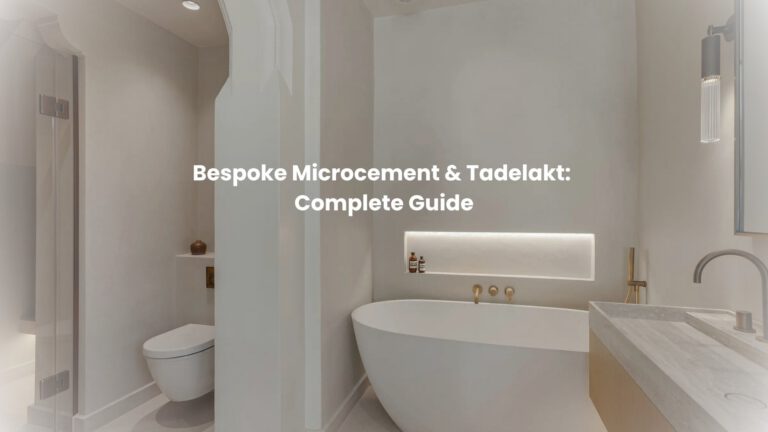
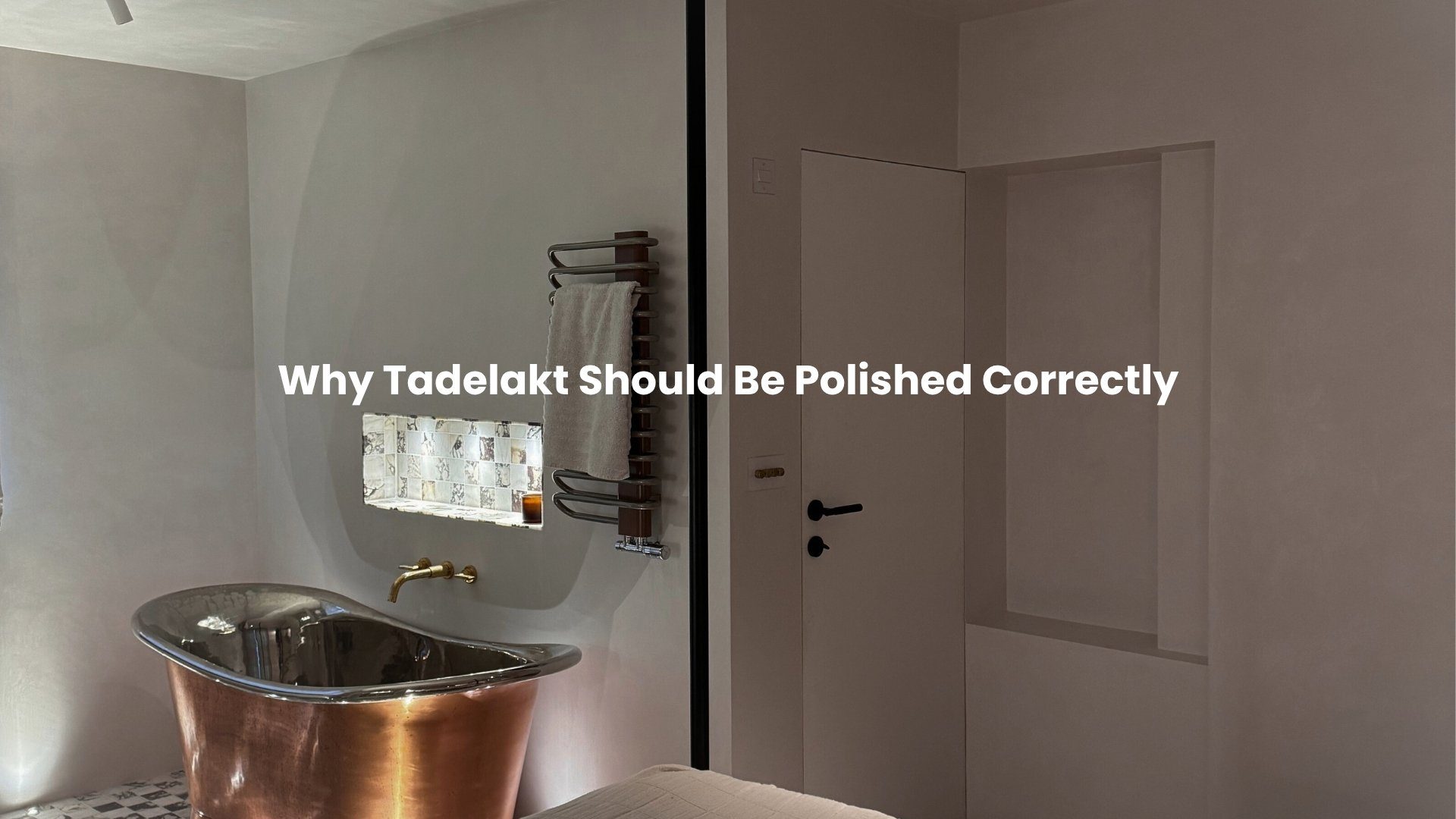
Tadelakt is a centuries-old Moroccan plastering technique that has become increasingly popular in modern interior design. Known for its stunning waterproof properties and luxurious finish, Tadelakt is often used in bathrooms, showers, and wet areas. However, the key to achieving true water resistance lies in one critical step: proper polishing. In this comprehensive guide, we’ll explore why correct polishing is essential for Tadelakt’s water-resistant properties and what can go wrong if this crucial step is overlooked.
What is Tadelakt?
Tadelakt is a traditional lime plaster technique that originated in Morocco over 1,000 years ago. The word “Tadelakt” comes from the Arabic word meaning “to rub” or “to massage,” which perfectly describes the polishing process that gives this finish its unique characteristics.
Key features of Tadelakt include:
- Made from lime plaster mixed with natural pigments
- Applied in multiple layers to create a smooth surface
- Polished with smooth stones to compress and seal the surface
- Treated with olive oil soap (savon noir) for waterproofing
- Creates a distinctive, luxurious sheen with subtle variations
Unlike modern waterproof coatings or tiles, Tadelakt’s water resistance is achieved through a chemical and mechanical process that transforms the lime plaster into a durable, waterproof surface.
Why Polishing is Essential in the Tadelakt Process
Polishing is not merely an aesthetic finishing touch—it’s the cornerstone of Tadelakt’s functionality. This ancient technique relies on the physical compression of lime particles to create a water-resistant barrier.
The Role of Polishing
- Surface Compression: Polishing with smooth stones compresses the lime particles, reducing porosity and creating a denser surface layer.
- Pore Closure: The rubbing action seals microscopic pores that would otherwise allow water penetration.
- Surface Activation: Polishing prepares the surface to properly react with the olive oil soap treatment that follows.
- Aesthetic Excellence: The polishing process creates the characteristic smooth, slightly undulating surface with a soft sheen that Tadelakt is famous for.
Without proper polishing, even the highest quality Tadelakt lime plaster will fail to achieve its full water-resistant potential.
The Science Behind Tadelakt’s Water Resistance
Understanding the chemistry and physics behind Tadelakt helps explain why polishing is so crucial.
The Carbonation Process
When lime plaster is applied, it undergoes a chemical process called carbonation. The calcium hydroxide in the lime reacts with carbon dioxide in the air to form calcium carbonate, which hardens the plaster over time.
Mechanical Densification
Polishing mechanically compresses the surface:
- Reduces the space between lime particles
- Decreases the size and number of capillary pores
- Creates a tighter matrix that resists water infiltration
- Produces a smooth surface that water beads on rather than absorbs into
The Soap Treatment Connection
After polishing, traditional olive oil soap (savon noir) is applied. This soap reacts with the lime to create calcium soap, which fills remaining microscopic pores and creates a hydrophobic (water-repelling) layer. However, this reaction can only occur effectively on a properly polished surface.
The chemical equation: Calcium hydroxide + Fatty acids (from soap) → Calcium soap + Water
This calcium soap is insoluble in water and provides the final waterproof seal.
What Can Go Wrong if Tadelakt is Not Polished Properly
Inadequate or improper polishing can lead to numerous problems that compromise both the functionality and longevity of Tadelakt surfaces.
1. Decreased Water Resistance
The Problem: An inadequately polished surface remains porous, allowing water to penetrate into the plaster.
Consequences:
- Water stains and discoloration
- Mold and mildew growth behind the surface
- Structural damage to underlying walls
- Premature failure of the Tadelakt finish
- Costly repairs or complete refinishing
2. Surface Damage and Deterioration
The Problem: Without proper compression, the surface remains soft and vulnerable.
Consequences:
- Scratching and abrasion from normal use
- Powdering or chalking of the surface
- Uneven wear patterns
- Loss of the characteristic sheen
- Reduced lifespan of the finish
3. Maintenance Issues
The Problem: Improperly polished Tadelakt requires constant maintenance and reapplication.
Consequences:
- Frequent re-soaping needed
- Time-consuming upkeep
- Higher long-term costs
- Frustration and dissatisfaction with the finish
4. Aesthetic Compromises
The Problem: Poor polishing creates an uneven, unattractive surface.
Consequences:
- Blotchy appearance
- Inconsistent sheen
- Visible trowel marks
- Rough texture instead of smooth finish
- Loss of the luxurious look that makes Tadelakt desirable
5. Soap Treatment Failure
The Problem: The olive oil soap treatment cannot properly bond with an inadequately polished surface.
Consequences:
- Incomplete waterproofing
- Soap sits on the surface rather than reacting chemically
- Streaky, uneven soap application
- Failure of the final waterproof barrier
Step-by-Step: How Correct Polishing Enhances Water Resistance
Understanding the proper polishing process helps ensure that Tadelakt achieves its full water-resistant potential.
Step 1: Timing is Critical
What to do: Begin polishing when the Tadelakt surface is “green hard”—firm enough to polish but not fully dried.
How it enhances water resistance: Polishing at the correct moisture level allows for optimal compression without damaging the surface. Too early, and you’ll disturb the plaster; too late, and you cannot adequately compress the surface.
Timing indicator: The surface should not stick to your finger when touched but should still feel slightly cool and damp.
Step 2: Use the Right Tools
What to do: Use smooth, rounded stones (traditionally river stones or agate stones) for polishing.
How it enhances water resistance: Smooth stones compress the surface evenly without scratching or tearing. The rounded shape allows for consistent pressure application across the entire surface.
Tool specifications:
- Stone size: 3-5 inches in diameter
- Surface: Completely smooth with no sharp edges
- Shape: Oval or rounded for comfortable handling
- Material: Dense, hard stone that won’t break down during polishing
Step 3: Apply Proper Pressure and Technique
What to do: Polish using firm, circular motions with consistent pressure, working in overlapping sections.
How it enhances water resistance: Firm pressure compresses the lime particles, closing pores and creating a denser surface layer. Circular motions ensure even compression across the entire surface.
Technique details:
- Use body weight, not just arm strength
- Work in approximately 2-foot square sections
- Overlap each circular motion by about 50%
- Continue until the surface develops a soft sheen
- Typically requires 20-30 minutes per square meter
Step 4: Achieve Complete Coverage
What to do: Polish every square inch of the surface, paying special attention to corners, edges, and difficult-to-reach areas.
How it enhances water resistance: Any unpolished areas remain porous and vulnerable to water penetration. Complete coverage ensures uniform water resistance across the entire surface.
Common problem areas:
- Inside corners where walls meet
- Around fixtures and penetrations
- Curved or irregular surfaces
- High areas that are difficult to reach
Step 5: Multi-Stage Polishing
What to do: Polish the surface in multiple stages as the Tadelakt cures, typically 2-3 polishing sessions over several days.
How it enhances water resistance: Each polishing session further compresses the surface as it cures, progressively closing pores and increasing density.
Polishing schedule:
- First polish: 4-6 hours after application (when green hard)
- Second polish: 12-24 hours after application
- Final polish (optional): 2-3 days after application
- Each session should show increased surface hardness and sheen
Step 6: Proper Soap Application After Polishing
What to do: Apply olive oil soap (savon noir) to the fully polished surface, typically 7-10 days after the final polish.
How it enhances water resistance: The soap reacts with the calcium in the properly polished lime surface to create insoluble calcium soap, which fills microscopic pores and creates a hydrophobic layer.
Application process:
- Dilute olive oil soap in warm water
- Apply with a soft cloth or sponge
- Allow to dry completely
- Buff with a soft cloth
- Repeat monthly for the first 3 months, then as needed
Step 7: Post-Polish Inspection
What to do: Inspect the polished surface for consistency in sheen, smoothness, and appearance.
How it enhances water resistance: Identifying and correcting any inadequately polished areas before soap treatment ensures complete water protection.
Inspection checklist:
- Consistent sheen across the entire surface
- Smooth to the touch with no rough patches
- No visible trowel marks or tool marks
- Even color without blotchiness
- Surface feels dense and hard, not soft or powdery
Final Tips for Homeowners and Renovators
Whether you’re considering Tadelakt for your next renovation or maintaining an existing Tadelakt surface, these tips will help ensure long-lasting water resistance.
For Those Hiring Professionals
- Hire Experienced Applicators: Tadelakt is a specialized skill. Look for applicators with documented Tadelakt experience and examples of completed wet area installations.
- Ask About the Polishing Process: A qualified applicator should be able to explain their polishing technique in detail, including timing, tools, and number of polishing sessions.
- Verify Material Quality: Ensure that authentic Tadelakt lime plaster and genuine olive oil soap are being used, not synthetic substitutes.
- Request References: Speak with previous clients about the water resistance and durability of their Tadelakt installations, particularly in wet areas.
- Understand the Timeline: Proper Tadelakt application cannot be rushed. The entire process typically takes 2-3 weeks from application to final soap treatment.
For DIY Enthusiasts
- Practice First: Before attempting a bathroom or shower, practice on sample boards to develop your polishing technique.
- Invest in Quality Tools: Purchase proper polishing stones and authentic materials. Cutting corners on tools will compromise your results.
- Take Your Time: Rushing the polishing process is the most common cause of DIY Tadelakt failure. Each section requires adequate time and attention.
- Control Environmental Conditions: Maintain consistent temperature (60-75°F) and moderate humidity during application and curing.
- Consider Training: Look for Tadelakt workshops or courses to learn proper technique from experienced practitioners.
Maintenance for Long-Term Water Resistance
- Regular Soap Treatment: Reapply olive oil soap monthly for the first 3 months, then every 3-6 months thereafter to maintain the hydrophobic layer.
- Gentle Cleaning: Use pH-neutral cleaners only. Acidic or harsh chemical cleaners will damage the lime surface.
- Immediate Water Removal: While Tadelakt is water-resistant, promptly wiping down surfaces after use extends longevity.
- Monitor for Changes: Watch for any areas where water no longer beads up, indicating the need for soap retreatment.
- Address Issues Promptly: If you notice water absorption or surface damage, consult a Tadelakt specialist immediately to prevent more extensive problems.
Making the Right Choice
Tadelakt’s beauty and water-resistant properties make it an excellent choice for bathrooms, showers, and other wet areas—but only when properly executed. The polishing process is not optional or merely decorative; it’s the fundamental technique that transforms ordinary lime plaster into a waterproof, durable surface.
By understanding the critical importance of proper polishing and ensuring this step is executed correctly, you can enjoy the timeless beauty and remarkable water resistance of Tadelakt for decades to come.
Key Takeaways
- Polishing is the most critical step in achieving water-resistant Tadelakt
- Proper polishing compresses lime particles and closes pores, preventing water infiltration
- Multiple polishing sessions at the correct timing ensure optimal water resistance
- Inadequate polishing leads to water damage, maintenance issues, and premature failure
- The soap treatment only works effectively on a properly polished surface
- Hire experienced professionals or invest time in proper training for DIY projects
- Regular maintenance with olive oil soap preserves water resistance over time
Tadelakt is a remarkable material that has proven its durability over centuries of use. When polished correctly, it offers unparalleled water resistance combined with breathtaking aesthetic appeal—a perfect combination for any wet area in your home.