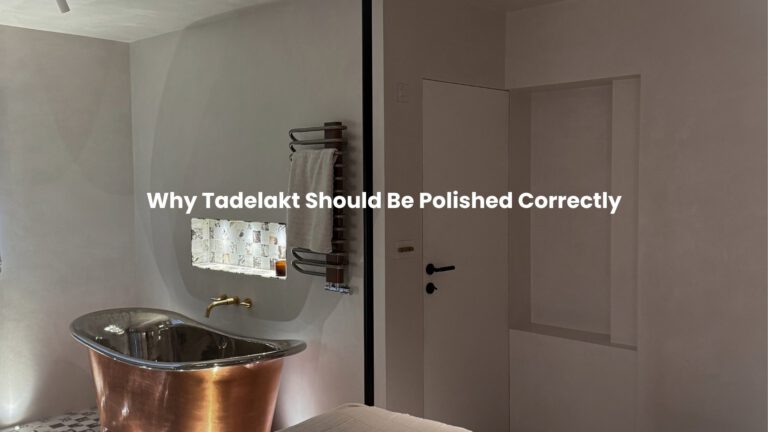
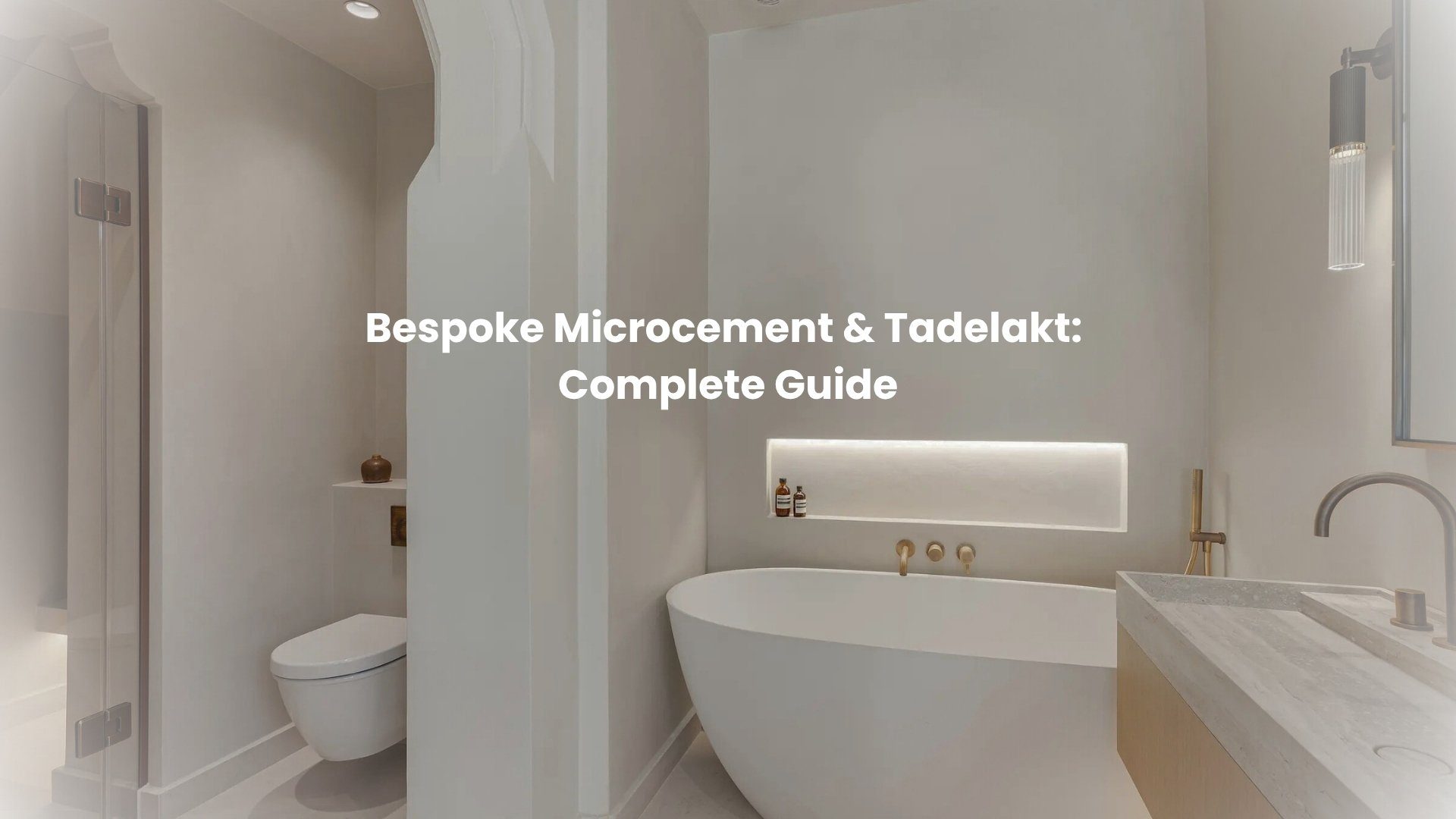
Bespoke microcement and tadelakt are two of the most sought-after decorative finishes in modern interior design. These luxurious materials offer a unique blend of aesthetics, durability, and versatility, making them perfect for homeowners and designers seeking to create stunning, contemporary spaces. Whether you’re renovating a bathroom, kitchen, or entire home, understanding the benefits and differences between these finishes will help you make an informed decision.
What is Microcement?
Microcement is a high-performance decorative coating made from a blend of cement, water-based resins, polymers, and pigments. Applied in thin layers (2-3mm), it creates a seamless, contemporary finish suitable for floors, walls, ceilings, and even furniture.
Benefits of Microcement:
- Seamless finish with no grout lines
- Highly durable and resistant to wear
- Waterproof when properly sealed
- Wide range of colours and textures
- Can be applied over existing surfaces
- Low maintenance requirements
- Perfect for modern, minimalist aesthetics
Unique Features:
Microcement’s versatility allows it to be used in virtually any space, from wet rooms to living areas. Its thin application means minimal disruption during installation, and it can be applied to stairs, countertops, and outdoor areas.
What is Tadelakt?
Tadelakt is a traditional Moroccan plastering technique dating back centuries. Made from lime plaster and polished with a river stone, then treated with olive oil soap, it creates a luxurious, waterproof finish with a distinctive soft sheen.
Moroccan Origins:
Originating in Marrakech, tadelakt was traditionally used in hammams (Moroccan baths) due to its excellent water resistance and beautiful finish. Today, it’s prized worldwide for its artisanal quality and timeless appeal.
Applications:
- Bathrooms and wet rooms
- Feature walls
- Fireplaces
- Kitchen backsplashes
- Shower enclosures
- Sinks and basins
Water Resistance:
When properly applied and sealed, tadelakt is naturally waterproof due to its lime content and soap treatment, making it ideal for areas prone to moisture.
Style:
Tadelakt offers an organic, hand-crafted aesthetic with subtle variations and a soft, tactile finish that adds warmth and character to any space.
Comparison: Microcement vs. Tadelakt
| Feature | Microcement | Tadelakt |
|---|---|---|
| Material | Cement-based with polymers | Lime-based plaster |
| Thickness | 2-3mm | 3-4mm |
| Finish | Matte to satin, industrial | Soft sheen, organic |
| Application Time | 5-7 days | 7-9 days |
| Durability | Extremely high | High with proper maintenance |
| Water Resistance | Waterproof throughout – ‘Brand Dependant’ Excellent with sealing | Naturally water-resistant, it is highly dependent on the quality of the finish. |
| Colour Range | Wide variety | Earth tones primarily |
| Aesthetic | Modern, minimalist | Traditional, artisanal |
| Cost | ££-£££ per sqm | £££-££££ per sqm |
| Maintenance | Low | Moderate (resealing needed) |
FAQ Section: Your Questions Answered
Is microcement waterproof?
Yes, microcement becomes waterproof when properly sealed with appropriate sealants. Multiple layers of polyurethane or epoxy sealer create a water-resistant barrier, making it ideal for bathrooms, showers, and kitchens. The sealant should be reapplied every 2-3 years in high-traffic wet areas.
How long does tadelakt last?
With proper application and maintenance, tadelakt can last 10-20 years or more. Its lime content naturally hardens over time, becoming more durable. Regular resealing with olive oil soap (annually in wet areas) helps maintain the water resistance and lustrous appearance of the surface.
What is the cost of installing microcement?
Microcement installation typically costs between £130-£180 per square metre, depending on the area, surface preparation required, finish complexity, and your location. Floors generally cost more than walls due to additional sealing requirements. Always request detailed quotes from certified installers.
What are the best uses for tadelakt?
Tadelakt excels in:
- Shower walls and wet rooms (its original purpose)
- Bathroom walls and feature areas
- Fireplaces (heat-resistant)
- Living room feature walls (adds texture and warmth)
Its water resistance and luxurious finish make it perfect for high-moisture environments.
Can microcement crack?
When properly applied by experienced professionals, microcement is highly resistant to cracking. However, cracks can occur if:
- The substrate moves or has existing cracks
- Insufficient layers are applied
- Incorrect mixing ratios are used
- Proper curing time isn’t observed
Choosing a qualified installer significantly reduces this risk.
Which is better for bathrooms: microcement or tadelakt?
Both are excellent for bathrooms:
- Choose microcement for: modern aesthetics, quicker installation, lower cost, consistent finish
- Choose tadelakt for: traditional charm, artisanal quality, natural waterproofing, unique character
Your decision should be based on desired aesthetic, budget, and timeline.
How do you maintain microcement?
Microcement maintenance is straightforward:
- Clean regularly with pH-neutral cleaners
- Avoid harsh chemicals or abrasive cleaners
- Reseal every 2-3 years in wet areas
- Wipe spills promptly
- Use mats in high-traffic areas
Proper maintenance ensures your microcement looks beautiful for decades.
Ready to Transform Your Space?
Whether you’re drawn to the contemporary elegance of microcement or the timeless beauty of tadelakt, our expert team at PerfectlyPlastered can bring your vision to life. With years of experience in bespoke decorative finishes, we deliver exceptional craftsmanship and stunning results.
Book Your Free Consultation Today
Contact us for a no-obligation consultation and detailed quote. We’ll assess your space, discuss your design goals, and recommend the perfect finish for your project. Don’t settle for ordinary – create something extraordinary with bespoke microcement or tadelakt.
Transform your home with the UK’s leading specialists in decorative finishes.